

Human-scale
Scaling used to be hard; now a few sleepless nights configuring your OpenClaw can mean you can operate with an agentic workforce, scaling itself further with every new model release, every new bit of context you provide.
Is this not brilliant? Now we can… what exactly?
Make more money?
Build more features?
Speed things up?
Let me ask you, when you read these words, and listen to your body, what does it tell you?
Do you feel excitement? Some anxiety or overwhelm perhaps? A burning drive?
None of these are wrong or bad, in and of themselves.
But one sensation I suspect you won’t feel is peace.
Look, there are many problems in the world, and I have no doubt AI will be capable of helping us with resolving some of them. But I think it’s equally clear there are plenty it will exacerbate. This isn’t really about AI itself. It is about our relationship to it.
AI is a mirror upon which we project. There is nothing novel or interesting in this insight, it has been true of every technology humans have invented.
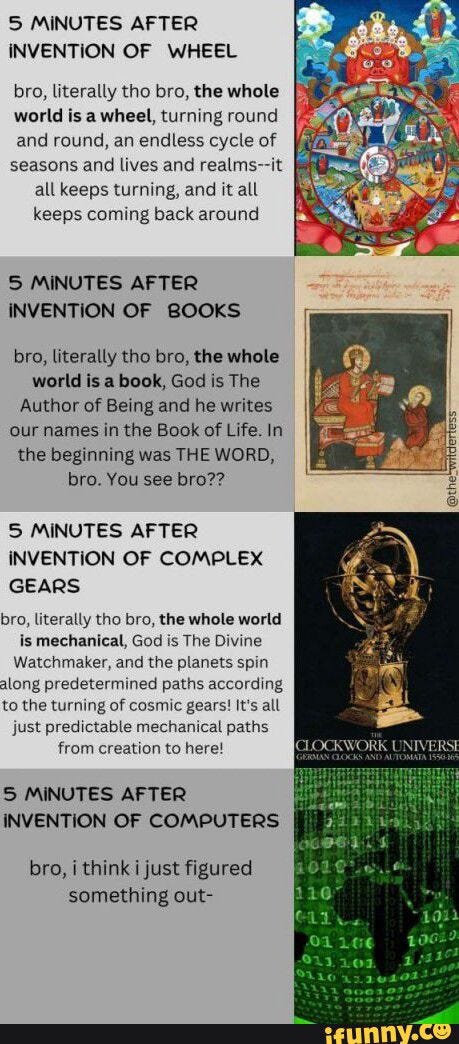
If we approach AI with the spirit of scaling, of doing more of the same faster, longer, harder, we doom ourselves to being slaves of a system we ourselves have created, one devoid of humanity and fit only for the artificial intelligences we have helped birth.
But what if we can surrender the urge to scale, to put down our ladders, forget about breaching those castle walls?
What if we begin instead to cultivate the land around us on which we find ourselves, creating connection and meaning with other humans, focusing on the possible rather than the probable, telling stories and creating, loving one another and ourselves?
Perhaps we may find a new way of living, of working, of being, in which AI complements rather than competes with us.
Perhaps we will find rediscover what human scale looks like.